
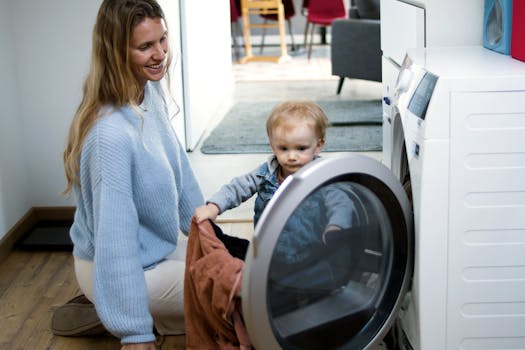
Imagine holding a tiny onesie in your hands, ready to wash it for your newborn. The fabric is delicate, the colors are soft, and the stakes are high because this little piece of clothing touches sensitive skin. Unlike adult laundry, baby clothes cleaning is both a scientific process and an emotional act. Parents are not just washing clothes; they are protecting their child, ensuring comfort, and preventing irritation. Each decision, from detergent choice to washing cycle, carries weight.
Prescotts Laundry Services, located at 1711 E Broadway Rd, Tempe, AZ 85282, supports families in these decisions by providing guidance and reliable services that accommodate the unique care baby clothes require. Understanding how these pieces of laundry differ from everyday loads and learning effective cleaning practices allows parents to manage baby care with more confidence and less stress.
Baby clothes cleaning needs different care from adult clothing because of baby’s skin. Infant skin is thinner, more sensitive, and loses moisture more quickly. The natural barrier of a newborn’s skin is not as developed, making it easy to irritate or inflame. Residual detergent on clothing, fabric softener traces, or strong bleaching agents can lead to rashes, dryness, and allergic reactions.
Another reason is hygiene. Babies spit up, drool, and experience frequent diaper leaks. Their clothes quickly accumulate stains and odors that must be properly removed without harsh chemicals. Parents also must ensure clothes are completely sanitized because a baby’s immune system is still developing.
This combination of sensitivity and hygiene needs creates a dual challenge. Baby clothes must be washed thoroughly to ensure cleanliness, but also gently to prevent damage or irritation.
Detergent selection is critical for cleaning baby clothes. Traditional laundry detergents may contain dyes, fragrances, or chemicals that can linger on fabric and irritate skin. Many parents turn to hypoallergenic, fragrance-free detergents specifically designed for babies.
The ideal detergent dissolves easily, rinses out thoroughly, and leaves no chemical trace. Liquid detergents often perform better than powders because they leave fewer residues. At Prescotts Laundry Services, staff recommend mild, dermatologically tested options that clean messes effectively while protecting fabric softness.
Another important consideration is avoiding fabric softeners. While they make clothes feel smooth, they often coat fabrics with residue that can reduce fabric breathability and cause irritation. Instead, use natural alternatives such as vinegar rinses if softening is desired.
The washing method impacts the cleanliness, longevity, and safety of clothing. Baby clothes should always be sorted separately. Washing them with adult garments, especially those carrying dirt, oils, or harsh fibers like denim, increases the risk of contamination or fabric damage.
Water temperature is another major factor. Hot water sanitizes better but can shrink delicate fibers. Warm water provides a balance, killing germs while protecting clothes. Cold water is acceptable for lightly soiled clothes, but may not remove stubborn stains thoroughly.
Cycle choice matters. Baby fabrics often benefit from gentle or delicate cycles. This prevents unnecessary friction that can wear down smaller garments. Choosing extra rinses ensures detergent residue is fully removed.
Air drying further protects softness and reduces chemical odors. However, for sanitization during illness, drying baby clothes at a higher heat can also be beneficial.
Stains are unavoidable during infancy. Spit-up, milk, pureed foods, and diaper leaks all leave distinct marks. Knowing how to remove them gently prevents permanent damage.
Milk and spit-up stains should first be rinsed in cold water before setting. Warm water often causes proteins to bond with fabric, making stains harder to manage. Pre-soaking in mild detergent solution helps loosen residues.
For food stains, gentle scrubbing with diluted baking soda or using stain removers labeled baby-safe can be effective. Avoid chlorine bleach, which is too harsh. Oxygen-based cleaners may be safer alternatives for whitening without irritation.
Diaper leaks often require targeted treatment. Rinsing, soaking, and washing thoroughly at warm temperatures ensures sanitation.
Prescotts Laundry Services uses professional methods to strike a balance between effective removal and fabric safety, tailored to parents’ preferences.
Sanitization goes beyond visible cleanliness. During the early months, babies are prone to infections, so ensuring clothes are bacteria-free is vital. Options for sanitization include washing in warm or hot water, using mild disinfectant rinses safe for fabrics, and sun-drying clothes to harness natural ultraviolet rays.
Special techniques, such as boiling cloth diapers briefly, may still be used, though modern machines make antibacterial cycles a simpler choice. At Prescotts Laundry Services, sanitization protocols are integrated into the care process, maintaining hygiene while protecting sensitive textiles.
Newborns generate high volumes of laundry. Between feeding mishaps and daily outfit changes, parents may wash baby clothes every one or two days. This frequency prevents bacteria buildup and ensures a steady supply of clean garments.
Managing this workload can feel overwhelming. Services like Prescotts Laundry Services help families by absorbing that burden, providing professional, fast turnarounds while maintaining delicate care.
While many parents attempt to manage baby clothes at home, laundromats with professional equipment and staff provide advantages. High-efficiency washers with advanced rinse cycles better remove detergent residues. Large-capacity dryers help evenly dry blankets and bedding, which are common in nurseries.
Prescotts Laundry Services combines professional knowledge with customer requests, allowing families to benefit from both convenience and expertise. Their staff ensures machine cleanliness before each cycle, protecting sensitive loads from contamination.
Consider the story of Hannah, a first-time mother living in Tempe. Her newborn daughter struggled with sensitive skin, breaking out in rashes after using clothes washed at home. Hannah tried switching detergents, but the problem continued.
Frustrated and anxious, she turned to Prescotts Laundry Services. When she explained her concerns, the staff recommended a hypoallergenic detergent option and showed her how the machines offered extra rinse settings. They also reassured her by cleaning the machine drums before loading.
Within a week of using the professional service, Hannah noticed her daughter’s rashes had cleared up. Clothes felt softer, stains vanished, and every load smelled fresh without artificial fragrances. The relief of seeing her baby comfortable gave Hannah peace of mind. Prescotts Laundry Services became part of her parenting routine, reducing stress while improving her child’s health.
This case demonstrates the powerful role of informed laundry services in solving real household problems linked to baby clothes cleaning.
Parents often overlook secondary hygiene elements. Laundry baskets should be cleaned regularly to prevent bacteria buildup. Baby clothes should be folded and stored in clean spaces free of dust. Cloth diapers must be handled separately and washed with extra care.
Staff at Prescotts Laundry Services advise parents on these added elements, helping them create routines that keep nursery environments safe and calm.
Laundry technology continues to advance. High-efficiency washers adjust water levels and cycle times based on load weight. Steam cycles sanitize clothing gently. Smart washers with mobile integration allow parents to monitor progress remotely.
Facilities like Prescotts Laundry Services stay updated with these improvements, giving families confidence that delicate clothing will receive advanced care.
Baby clothes cleaning frequency may raise concerns for both household budgets and environmental impact. Using professional machines often reduces water and detergent consumption per garment compared to small home machines.
Environmental sustainability also appears in detergent choices. Parents increasingly prefer biodegradable, plant-based detergents that reduce harm to water systems. Prescotts Laundry Services adapts to these needs, offering eco-friendly choices without compromising performance.
From an economic perspective, outsourcing to a professional service may cost more than self-washing, but the benefits of saved time, improved stain removal, and reduced skin irritation often outweigh expenses.
Washing baby clothes carries symbolic weight in many cultures. In some traditions, special garments must be cleaned and blessed before the baby wears them. Clean, soft fabrics also serve as gestures of love and protection.
In modern contexts, the social meaning persists. Parents share stories and advice about detergents, stain removers, and routines, turning baby laundry into a form of collective caretaking knowledge. Laundromats become part of that network by providing professional reassurance for uncertain parents.
Future trends will likely focus on even safer and more sustainable solutions. Innovations may include detergents infused with probiotics to balance skin microbiomes, smart tags on clothing that guide proper wash cycles, and wider adoption of water-saving sanitization technologies.
Prescotts Laundry Services is positioned to continue meeting these changes head-on, aligning modern science with timeless parental comfort.
Baby clothes should be washed every one to two days to remove stains, odors, and bacteria. Regular washing ensures hygiene and keeps a clean supply available for frequent outfit changes.
It is not recommended. Adult clothing can carry oils, dirt, and harsh fibers that may irritate delicate fabrics. Washing baby clothes separately preserves softness and reduces contamination.
Hypoallergenic, fragrance-free detergents are the best. They reduce the risk of rashes and allergies and wash out completely during rinse cycles.
Rinse the item in cold water quickly, pre-soak if needed, and use baby-safe stain removers. Avoid chlorine bleach, as it is too harsh for delicate fabrics.
Both methods are safe if performed correctly. Air drying maintains softness and reduces wear, while dryers sanitize more thoroughly. Gentle heat settings are best for preserving fabric quality.