
Imagine pulling clothes straight out of a washer and finding them damp and heavy, needing hours before they feel comfortable enough to wear. Drying clothes is not just the second step of laundry. It is the critical stage that gives garments their final touch, softness, and freshness. Without proper drying, clothes smell musty, stretch, or wear out faster. Whether you rely on dryers at laundromats, air-drying racks at home, or professional facilities, understanding general clothes drying helps protect fabrics, extend clothing life, and improve household efficiency.
Prescotts Laundry Services, located at 1711 E Broadway Rd, Tempe, AZ 85282, provides professional drying options that balance convenience, energy efficiency, and garment care. Their systems highlight how modern solutions have evolved far beyond basic machines, offering customers flexibility for both heavy and delicate loads.
Clothes drying refers to the removal of water from garments after washing. While simple in concept, it involves multiple methods ranging from natural air drying to advanced electric dryers. The purpose is two-fold: to ensure comfort when wearing clothes and to prevent fabric damage, mold, or odor.
Clothes drying is no longer just about waiting for clothes to hang in the sun. Today it has become a process integrated with energy management, fabric care science, and lifestyle choice. That is why laundromats such as Prescotts Laundry Services invest in dependable dryers with adjustable features designed for different textiles.
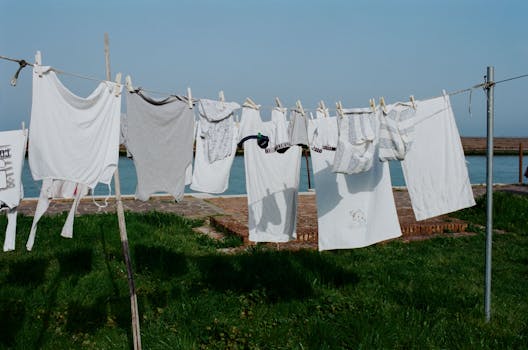
Before modern dryers, clothes were dried outdoors on lines or racks. Sunlight and wind were the natural drying agents, and communities often shared drying spaces. While efficient in climates with steady sunshine, this method failed during rainy, humid, or cold seasons.
Electric tumble dryers first appeared in the early twentieth century, revolutionizing the process by providing controlled heating and airflow. By mid-century, dryers had become household staples in developed countries. Today, dryers continue to evolve with moisture sensors, eco-efficient heat pumps, and faster cycles.
Prescotts Laundry Services integrates these modern dryers to meet customer needs, showing how laundromats connect historic practices with technological advancement.
A standard electric dryer begins by drawing in air, heating it, and blowing it into a rotating drum. As clothes tumble, the flow of hot air evaporates moisture. Moisture exits the machine through venting systems or, in ventless models, through condensation units that collect water separately.
Modern dryers feature moisture sensors that detect when clothes reach the target dryness, shutting off cycles early to save energy and protect fabrics. Multiple settings allow customers to choose high heat for towels, medium for mixed fabrics, or low for delicates.
At facilities such as Prescotts Laundry Services, dryers also include large capacities that handle comforters, bedding, or bulk laundry loads that household machines struggle with.
Air drying involves hanging clothes on racks, in rooms, or outdoors. It is energy-efficient and gentle on fabrics. Natural sunlight can disinfect garments through ultraviolet rays, but air drying may leave clothes stiff if not managed carefully. It also requires significant time and space.
Machine drying is faster and more consistent. Customers can complete loads in less than an hour and achieve soft, wrinkle-reduced finishes. However, improper use of high heat may shrink delicate fabrics.
The choice often depends on fabric type, available time, and lifestyle preferences. Families or busy professionals often lean toward machine drying for efficiency. Delicate or expensive garments may benefit more from air drying.
The first benefit is speed. What would take hours or even days under air drying can be finished in minutes in a dryer.
Another benefit is control. Dryers offer heat level options, moisture sensors, and timed cycles to customize results. For instance, bedding may need longer cycles, while blouses benefit from low-heat quick finishes.
Consistency also stands out. Weather plays no role in machine drying, meaning customers at Prescotts Laundry Services can access reliable results regardless of outside conditions.
Finally, tumble dryers reduce wrinkles, making ironing faster or unnecessary for some garments.
Despite the benefits, drying clothes presents challenges. Overdrying causes shrinkage, fades colors, and damages fibers. Using incorrect heat settings can ruin delicates or blended fabrics.
Energy consumption is another consideration. Dryers account for significant electricity use in households. Laundromat machines typically improve efficiency, but customers concerned with energy costs must still consider this factor.
Air drying has limitations, too. Without proper airflow, clothes may develop damp odors or mildew. Long drying times may also inconvenience families with limited laundry space.
At Prescotts Laundry Services, dryers are designed for convenience, hygiene, and efficiency. Customers access high-capacity machines capable of drying heavy quilts or bulk laundry in fewer cycles. Digital systems allow precise timing, while lint traps and proper maintenance ensure machines remain safe and effective.
The facility’s staff also assists customers in understanding which settings best suit fabrics. This helps prevent common mistakes such as shrinking wool garments or overdrying synthetics. By combining modern machines with expert guidance, Prescotts builds trust and reliability into general clothes drying.
Consider the story of Emily, a college student living in Tempe. She lived in a small apartment with no balcony and limited space to air-dry clothes. Her small home dryer constantly left her bedding damp, and mildew odor built up.
Emily began visiting Prescotts Laundry Services. On her first trip, the staff guided her in choosing a high-capacity dryer and the correct cycle setting for bedding. In less than an hour, she walked out with fully dried comforters and soft, odor-free sheets.
Thrilled by the improvement, Emily started using the laundromat regularly, particularly for heavy loads. This saved her money she was previously wasting on repeated drying cycles at home. More importantly, she began feeling more organized and less stressed about laundry.
Her story illustrates how professional drying solutions change daily habits and improve quality of life.
Drying also plays a role in hygiene. Bacteria and allergens often survive wash cycles, especially if cold water is used. Heat drying kills many microbes and ensures overall freshness.
Maintaining hygiene requires proper machine maintenance, too. Lint accumulation reduces performance and increases fire risk. Staff at Prescotts Laundry Services regularly clean lint traps and sanitize dryer surfaces, offering customers assured safety.
The energy demands of dryers have led to new technologies designed to reduce waste. Moisture sensors prevent overdrying by automatically stopping the cycle once garments are sufficiently dry. Heat pump dryers reuse hot air, reducing overall consumption.
Prescotts Laundry Services invests in energy-efficient machines to balance customer satisfaction with cost savings and environmental responsibility.
Culturally, drying clothes used to represent community tasks. Families once shared clotheslines, turning laundry drying into social rituals. Today, dryers reflect independence and speed, aligning with busy lifestyles that leave little time for waiting.
At laundromats such as Prescotts, the waiting area offers a modern twist. Customers socialize, study, or relax while machines dry loads efficiently nearby. The act of drying clothes remains connected to both necessity and shared human experience.
Preparation is essential. Sorting clothes by weight and fabric type ensures even drying. Overloading dryers prevents proper airflow, leaving pockets of damp clothing.
Using dryer balls or clean towels can shorten drying time by improving tumbling and absorbing moisture. Removing clothes promptly after cycles reduces wrinkles and the need for ironing.
Prescotts Laundry Services encourages these strategies, ensuring customers’ clothes leave in their best state.
The future will lean toward smarter, greener, and more fabric-sensitive methods. Mobile app integration will allow customers to track drying status remotely. Advances in textiles may lead to fabrics that dry faster with less energy required.
Eco-conscious laundromats will adopt renewable-powered dryers and biodegradable dryer sheets. Prescotts Laundry Services is in a position to lead the Tempe community with these modern shifts while continuing its focus on customer care.
On average, clothes dry within 30 to 45 minutes, depending on fabric, load size, and heat settings. Bulky items may take an hour or more in larger capacities.
Both methods work. Machine drying is faster and convenient, while air drying uses less energy and can be gentler on fabrics. The choice depends on time, space, and lifestyle.
Using lower heat settings and removing clothes while still slightly damp helps prevent shrinking. Always check care labels and select delicate cycles for sensitive fabrics.
Yes. The high heat in dryers kills most bacteria and allergens left after washing. For added hygiene, hot settings work best for towels, bedding, and undergarments.
Laundromats maintain dryers by cleaning lint traps, sanitizing drums, and inspecting machines regularly. This ensures clothes dry efficiently and customers stay safe.